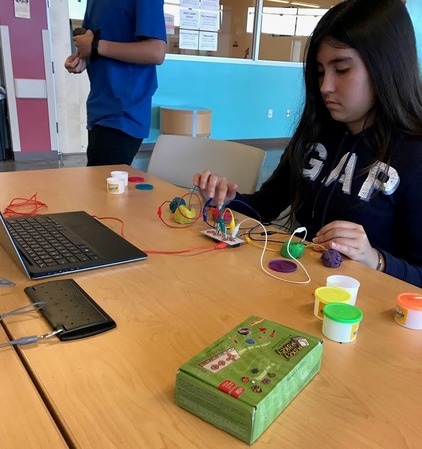
chTerra Education, a STEM education company founded in Durham, NC, along with the Boys and Girls Club of the Coastal Plains and East Carolina University, hosted a first annual STEMFest. The free event took place on August 5, 2017, at the Jack Minges Club in Greenville, North Carolina. Approximately 125 Boys and Girls Club (BGC) kids completed eight different hands-on STEM stations.
Senator Don Davis (D) and Representative Jean Farmer-Butterfield (D) met with TechTerra Education’s CEO, Susan Wells, to take in the event. “It was a privilege to see the interest Senator Davis and Representative Farmer-Butterfield showed in STEM and the kids,” said Wells. “TechTerra Education was very happy to partner with BGC and ECU for this event.”
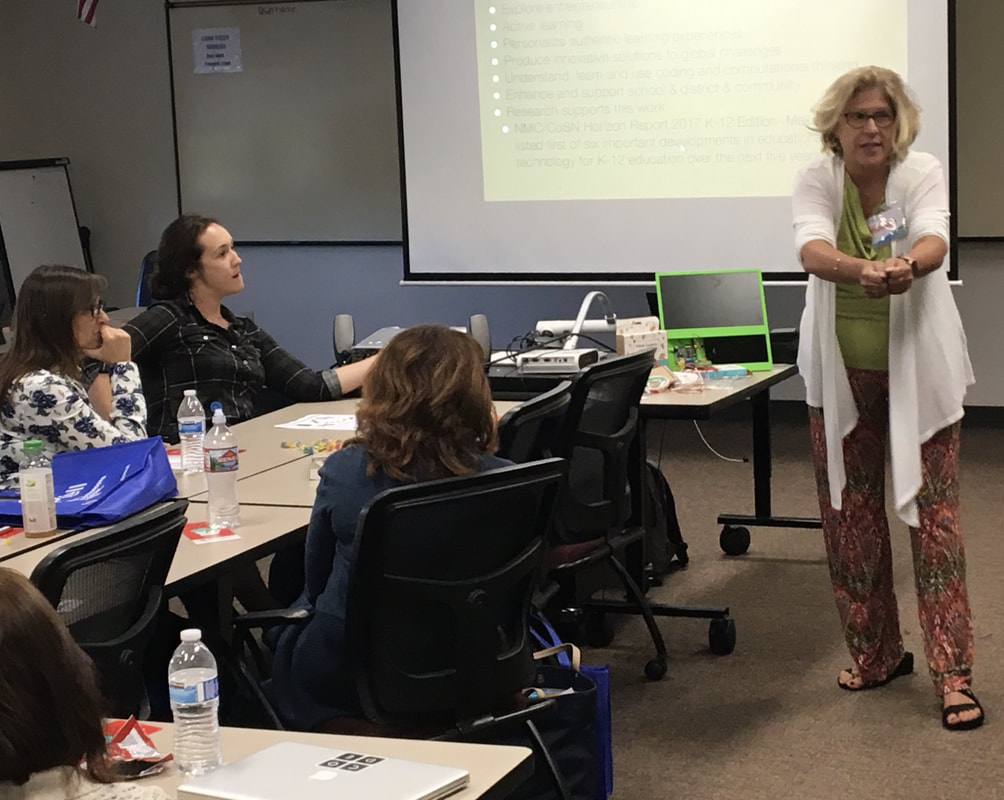
On August 22, 2017, TechTerra Education, a leading STEM education company in Durham, NC, participated in the Rowan-Salisbury School System (RSSS) Conference. TechTerra Education founder, Susan Wells, spoke on “STEM Solutions for All, Supporting Districts and Schools in their STEM Journey.”
The RSSS has been recognized nationally for work in STEM and digital learning and TechTerra Education is proud to have partnered with them for 3 years to support STEM education for all students.
One of things I enjoy most about TechTerra Education is being able to travel all over the country and to work with many different people. All that travel keeps me so busy that before I know it, time and seasons have flown by – some holidays have already passed and some holidays are just around the corner. So as I sit here today to catch my breath, I am thinking about all the places and events that we’ve been since the spring and my last blog update.
TechTerra has traveled to Florida, Georgia, Virginia, Illinois, South Carolina, Hawaii, Texas, Nevada, California, Missouri and Arizona in the last months. We gave presentations, held Playgrounds, worked with schools and organizations, trained, and carried our equity throughout the STEM movement message everywhere.
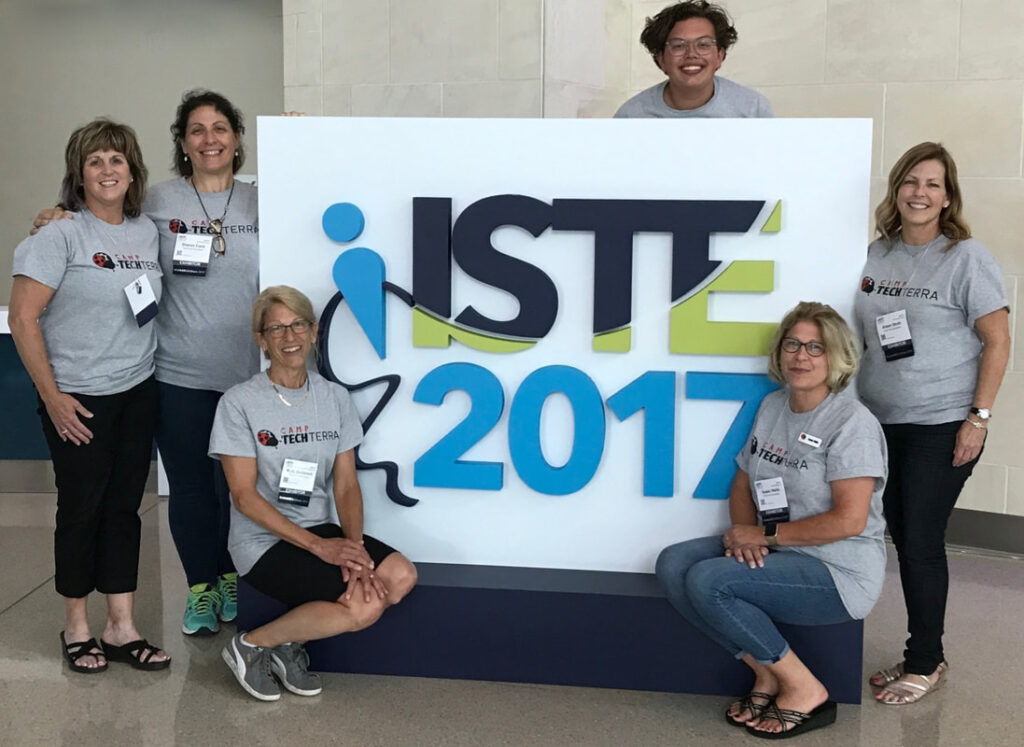
One of TechTerra’s stops this summer was the 2017 ISTE Conference in San Antonio. We gave presentations, held playground and poster sessions and ran a booth.
More stops included working with the Boys and Girls Club in August and partnering with East Central University in North Carolina at a STEMFest.
In September, TechTerra and Troxell worked together to bring STEM training and activities to four school districts in the San Diego, CA area.
Earlier this month, we were in Alton, Illinois – a city that claims to be the most haunted in the US.
Take a look at our TechTerra Training page for our November Makerspace Training and check out our Camp TechTerra page too. We’ll be sending out a special edition of our newsletter next month to spotlight STEM tools we love. And in the meantime we’ll be back in flight with our Southwest friends training-bound.
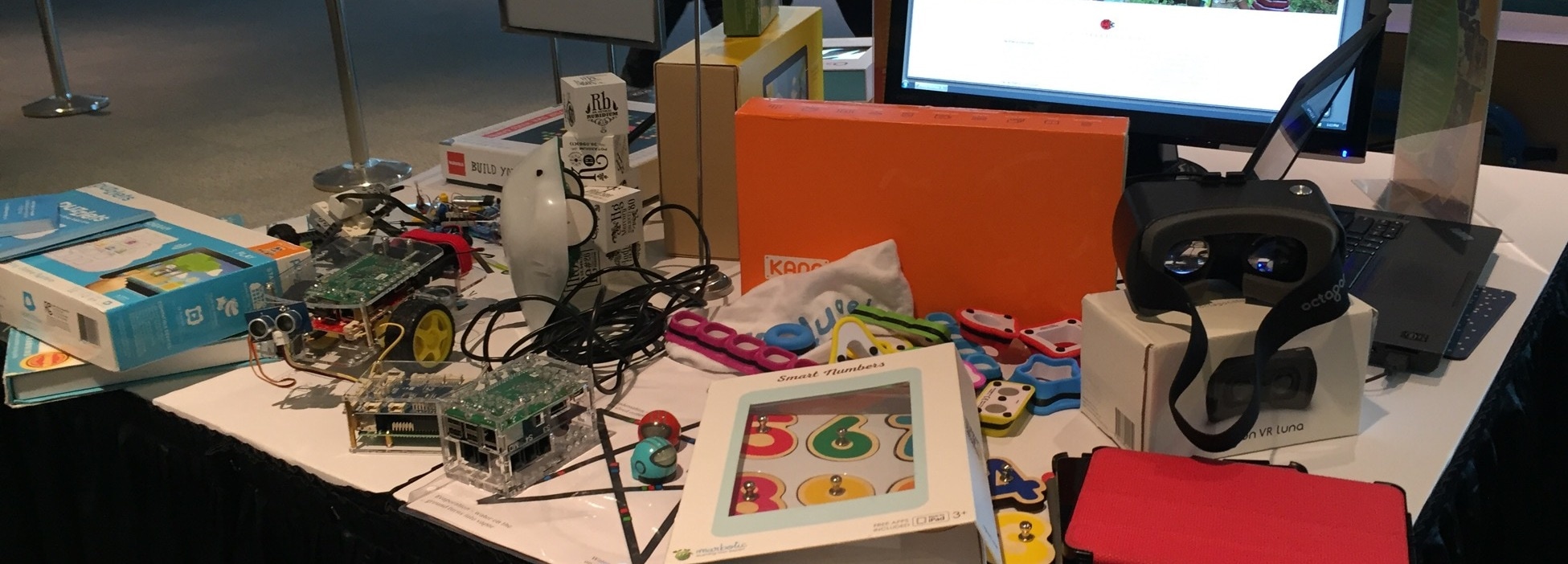
One of the great joys of having founded TechTerra Education is the opportunity I have to use emerging technology tools and talk to the companies about how those tools are intended to interface with STEM and STEAM integrated learning.
Once I’ve had a chance to see and use new tools I also get to introduce them to my staff and into actual educational settings at Camp TechTerra and at TechTerra Training. I’m pretty particular about the tools I introduce. I want to be impressed because I know if a company’s tool excites me, then it should excite the learners it is designed for.
Over three years ago, when I began TechTerra Education’s Foundations training, I started our program by first keeping in mind using the best pedagogy. I still do. I think of pedagogy as a combination of the theory, practice, methodology, and activities of teaching. In order to teach others in a meaningful and engaging fashion, we first have to understand the methods and activities of teaching. We must share this understanding with others in a manner that is relevant and retainable. Our goal is to teach the skills necessary to enable students to engage in creativity, collaboration, communication, and critical thinking.
One of the tools we work with and love to use is Makey Makey. Their kits allow users to turn an everyday object, really almost anything that can conduct electricity, into a touchpad that connects to the Makey Makey board with “alligator clips” and then connects to a user’s computer through a usb cable. It is simple and really creative.
We’ve tried out many everyday objects including fruit, a person, aluminum foil, playdough, silverware, and the list goes on. The concept is to allow pretty much anyone to create and invent almost anything anywhere. You just need the kit and your imagination.